

If you’ve spent time riding indoors, you’ve probably felt it:
Discomfort that builds over time.
Pressure that doesn’t ease.
Fatigue that seems worse than riding outdoors.
So why does indoor cycling feel more uncomfortable — and what can you actually do about it?
Why Indoor Cycling Feels Harder on Your Body
The biggest difference between indoor and outdoor cycling is simple:
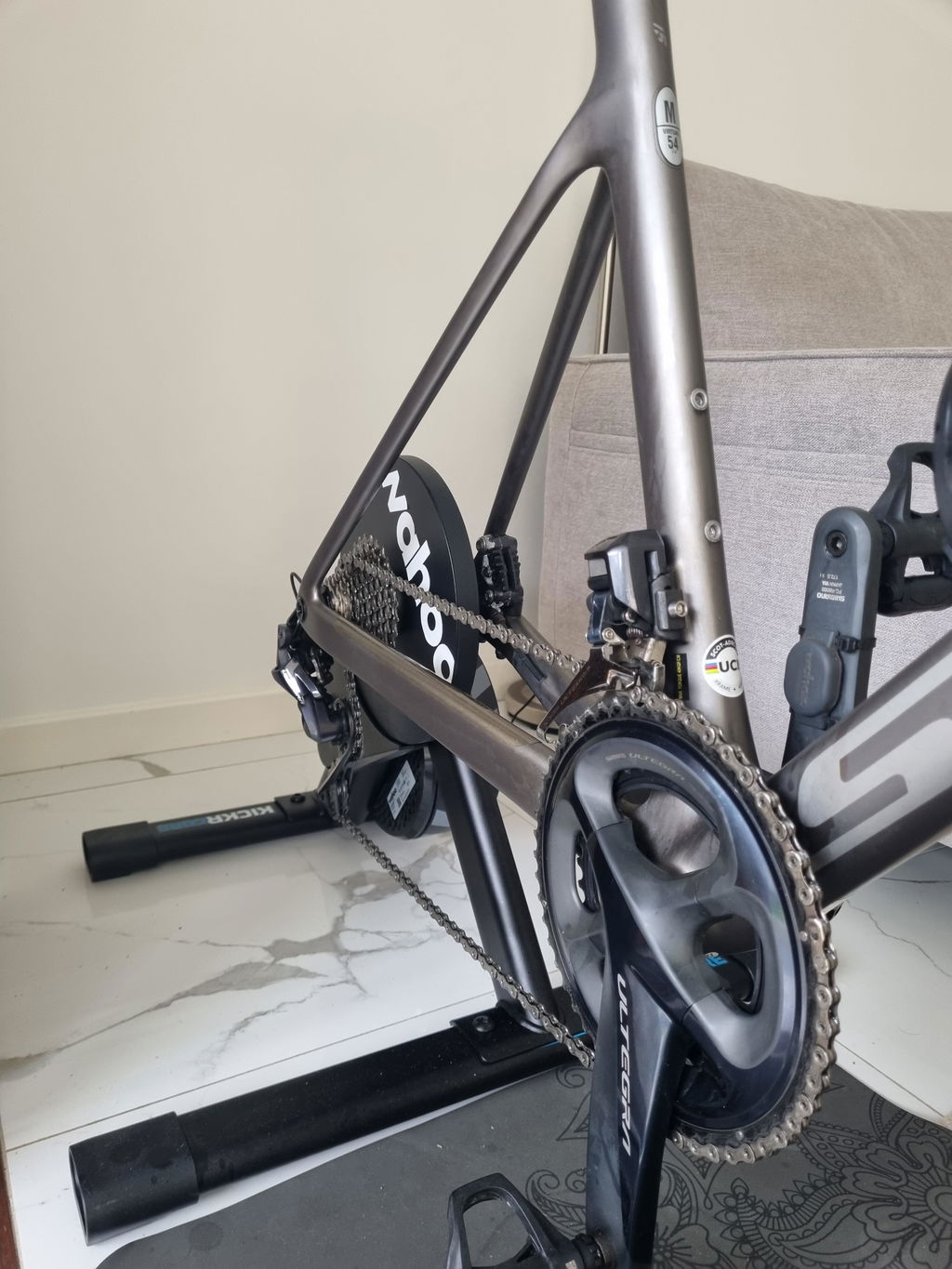
Your bike doesn’t move.
On the road, your bike naturally shifts beneath you as you ride. Indoors, your trainer holds everything in place.
That lack of movement is what creates discomfort.
How Static Trainers Create Pressure and Strain
When your bike is fixed in place, your body absorbs all the load created by pedalling.
Over time, this leads to:
• Pressure building at the saddle
• Strain through your lower back and hips
• Fatigue in your hands, arms, and shoulders
• Limited ability to shift weight naturally
This is why indoor sessions often feel more physically demanding — even at the same intensity.
Common Causes of Indoor Cycling Discomfort
Many riders try to fix discomfort by adjusting their setup:
• Changing saddle position
• Adjusting bike fit
• Using different bibs or padding
While these can help slightly, they don’t address the root cause — the lack of movement.
How to Make Indoor Cycling More Comfortable
Improving comfort indoors usually requires a combination of adjustments:
1. Optimise Your Bike Fit
A proper bike fit can reduce strain, but it won’t eliminate discomfort from a static setup.
2. Improve Contact Points
Saddle choice, bar position, and padding all play a role — but again, these are only partial fixes.
3. Introduce Movement Into Your Setup (KEY)
The most effective way to reduce discomfort is to introduce controlled movement into your indoor setup.
This is where rocker plates make the biggest difference.
Why a Rocker Plate Is the Most Effective Upgrade
A rocker plate sits beneath your trainer and allows controlled movement while you ride.
This helps:
• Reduce pressure on the saddle
• Relieve strain through your back and hips
• Reduce fatigue in your upper body
• Improve overall comfort during longer sessions
Instead of your body absorbing all the load in one position, the system distributes it more evenly.
Why Full-Motion Systems Improve Comfort Further
Basic rocker plates introduce side-to-side movement.
Full-motion systems go further by including:
• Fore-aft movement to reduce load through hips and lower back
• Front-end movement to relieve strain through your arms and shoulders
This creates a more complete solution for reducing discomfort across your entire body.
Who Experiences the Most Discomfort?
Indoor cycling discomfort is most noticeable for:
• Riders doing long endurance sessions
• Cyclists training regularly on Zwift or structured programs
• Anyone spending extended time on a static trainer
The more you ride indoors, the more noticeable the issue becomes.
The Real Cause of Indoor Cycling Discomfort
The issue isn’t your fitness.
It’s not your saddle.
It’s not your effort level.
It’s the fact that your bike is fixed in place.
Once you address that, everything changes.
Upgrade Your Indoor Cycling Setup
If you’re looking to reduce discomfort and improve your indoor riding experience:
👉 Explore Australian-made rocker plates designed for comfort and long-term performance
Frequently Asked Questions
Why does indoor cycling hurt more than outdoor riding?
Because your bike is fixed in place, creating pressure and strain that doesn’t occur outdoors.
Can I fix discomfort without a rocker plate?
You can improve it slightly with bike fit and equipment, but movement is the key factor.
Do rocker plates really help with discomfort?
Yes — they are designed specifically to reduce pressure and relieve strain during indoor cycling.
Leave a comment