

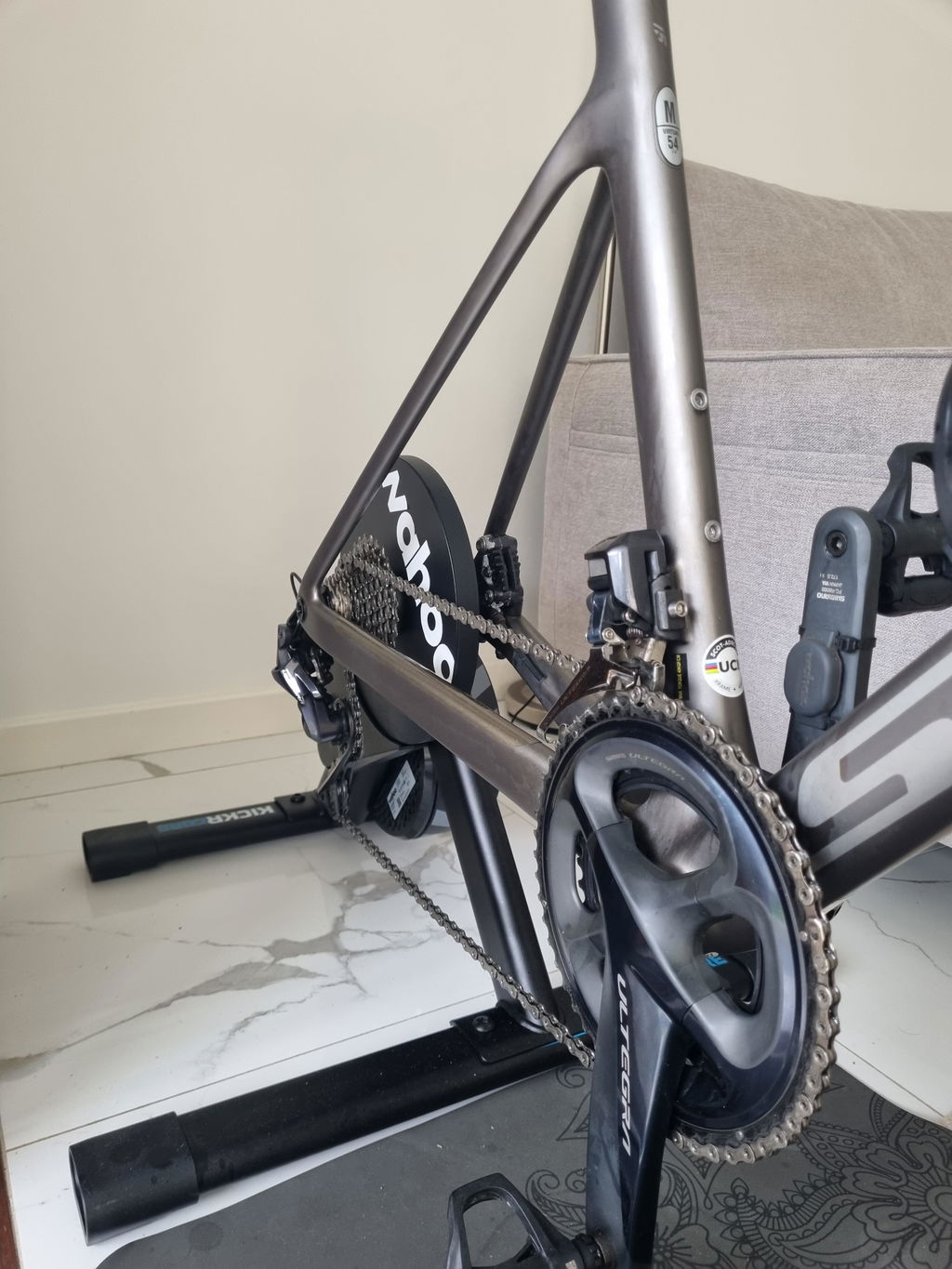
If you’re training indoors, you’re most likely riding on a static trainer.
But as more cyclists look for ways to improve comfort, rocker plates have become a popular upgrade.
So what’s the difference between a rocker plate and a static trainer — and does it actually matter?
What Is a Static Trainer?
A static trainer holds your bike completely fixed in place. While this provides stability and accurate power measurement, it also means your body absorbs all the load during your ride.
For short sessions, this isn’t always noticeable — but over time, especially on longer rides, the lack of movement can lead to discomfort and fatigue.
What Is a Rocker Plate?
A rocker plate sits beneath your trainer, allowing controlled movement while you ride. Instead of being locked in place, your setup can move slightly, helping reduce pressure and relieve strain across your body.
This simple change significantly impacts how indoor cycling feels.
Rocker Plate vs Static Trainer
| Feature | Static Trainer | Rocker Plate |
|---|---|---|
| Bike movement | Fixed | Controlled movement |
| Saddle pressure | High | Reduced |
| Lower back strain | Common | Reduced |
| Upper body fatigue | Common | Reduced |
| Comfort on long rides | Limited | Significantly improved |
| Overall ride feel | Rigid | More comfortable |
Why Static Trainers Cause Discomfort
When your bike is fixed in place, your body can’t adjust naturally to the forces created while pedalling.
This leads to:
• Pressure building at contact points
• Strain through your lower back and hips
• Fatigue through your hands and shoulders
Over time, this makes indoor cycling feel harder than it should.
How a Rocker Plate Improves Comfort
A rocker plate reduces this strain by introducing controlled movement into your setup.
Instead of your body absorbing all the load in one position, the system allows movement that helps distribute pressure more evenly.
The result is:
• Less discomfort during rides
• Reduced strain across your body
• A more comfortable indoor cycling experience
Why Full-Motion Systems Go Further
Basic rocker plates provide side-to-side movement only.
Full-motion systems add:
• Fore-aft movement to reduce load through the hips and lower back
• Front-end movement to relieve strain through your arms and shoulders
This creates a more complete comfort solution — especially for longer indoor sessions.
Is a Rocker Plate Worth It?
A rocker plate is most beneficial if you:
• Ride indoors regularly
• Do long endurance sessions
• Experience discomfort on your trainer
• Use platforms like Zwift or structured training programs
If you’re only riding occasionally, the difference may be less noticeable — but for consistent indoor training, it’s a significant upgrade.
What a Rocker Plate Won’t Change
A rocker plate won’t:
• Increase your power output
• Replace structured training
• Improve fitness on its own
What it does do is improve comfort, which allows you to train longer and more consistently.
Rocker Plate vs Static Trainer — The Bottom Line
A static trainer is simple and effective, but it comes with limitations.
A rocker plate addresses those limitations by reducing pressure and improving comfort — making indoor cycling more sustainable over time.
If you’re serious about indoor training, it’s one of the most effective upgrades you can make.
Upgrade Your Indoor Setup
Looking to make your indoor cycling more comfortable?
👉 Explore Australian-made rocker plates designed to reduce strain and improve every ride
Frequently Asked Questions
Is a rocker plate better than a static trainer?
For comfort, yes — a rocker plate significantly reduces pressure and strain during indoor cycling.
Do I still need a trainer?
Yes, a rocker plate sits underneath your trainer and enhances your existing setup.
Is it worth upgrading?
If you ride indoors regularly, the improvement in comfort is noticeable, especially on longer rides.
Leave a comment